Get Conduit Installation
Conduit installation services help property owners safely and efficiently run electrical, data, or communication cables through walls, floors, or ceilings for various renovation or new construction projects.
Property owners considering conduit installation often seek reliable local contractors to handle the project efficiently and effectively. Whether upgrading existing wiring systems, expanding infrastructure, or preparing for new electrical needs, planning these projects carefully can ensure safety and long-term performance. Exploring different local options allows property owners to compare expertise and services, helping them make informed decisions that align with their property's requirements.
Continuing to review available service providers can provide valuable insights into the scope of work involved and the types of solutions offered. Connecting with experienced local contractors ensures access to knowledgeable professionals who can manage conduit installation with attention to detail. Keep reading to discover more about how local service providers can support your project and help you find the right fit for your property’s needs.
- Conduit Installation - when upgrading or replacing electrical systems in residential or commercial properties.
- New Construction Wiring - during the development of new buildings requiring conduit for electrical safety and organization.
- Electrical System Renovation - when updating outdated wiring infrastructure to meet current safety standards.
- Outdoor or Underground Wiring - for projects that involve running conduit to outdoor fixtures or underground utilities.
- Electrical Code Compliance - when ensuring existing conduit systems meet local electrical regulations and standards.
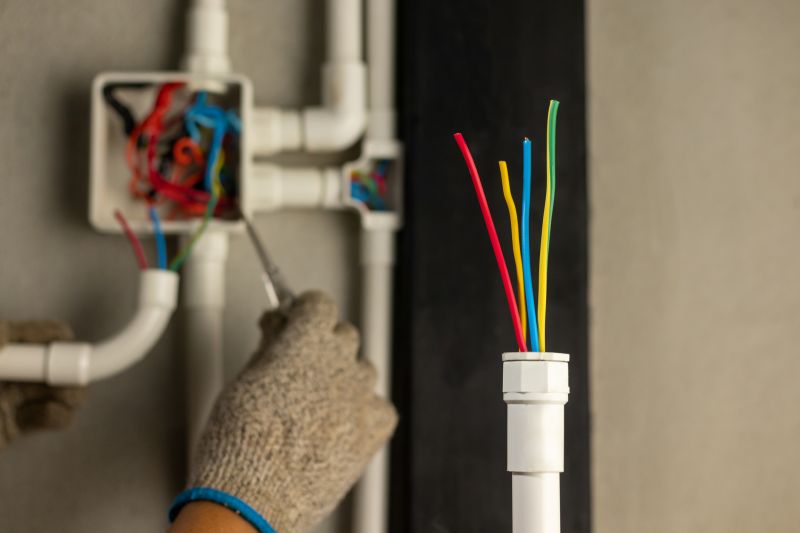
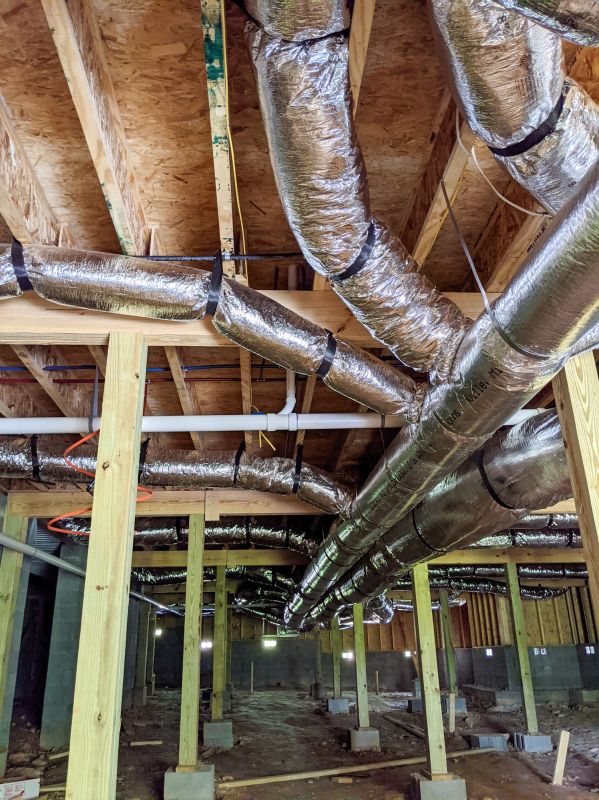
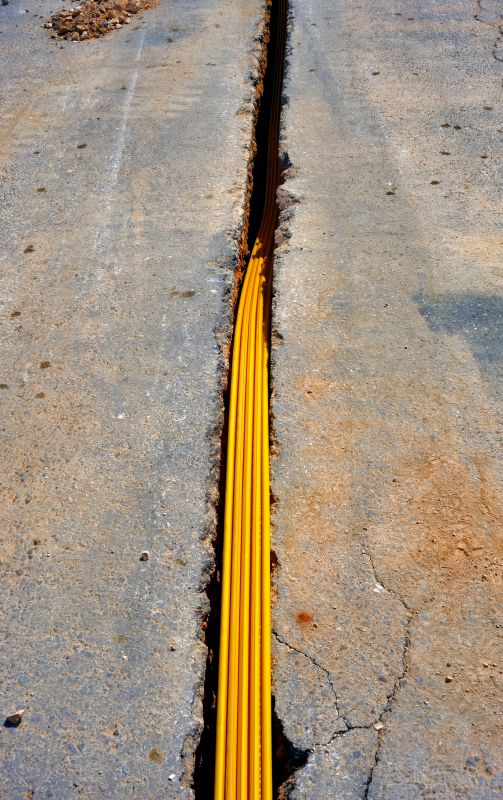
Conduit installation services involve setting up the necessary pathways for electrical wiring within a property. This process typically includes planning the routes, securing the conduits to walls or ceilings, and ensuring that the wiring is protected and organized. Proper conduit installation is essential for maintaining a safe and efficient electrical system, whether upgrading existing wiring or installing new circuits. Skilled contractors focus on precise placement to accommodate future upgrades and to meet building codes, helping to create a reliable infrastructure for electrical needs.
This service addresses common electrical problems such as exposed wiring, outdated conduit systems, or insufficient pathways that hinder safe operation. Improper wiring routes can lead to safety hazards, electrical faults, or difficulty in troubleshooting issues later on. Conduit installation helps prevent these issues by providing a secure, organized route for electrical cables, reducing the risk of damage or wear over time. It also makes future maintenance or additions easier, saving homeowners time and money in the long run.
Properties that typically benefit from conduit installation include residential homes, especially those undergoing renovations or electrical upgrades. It is also common in commercial buildings, garages, workshops, and multi-unit housing where multiple circuits are needed. New construction projects often require conduit systems to be integrated into the building’s design, ensuring a clean and organized electrical layout from the start. Regardless of property size, a properly installed conduit system can enhance safety, functionality, and flexibility for electrical systems.
Homeowners who experience frequent electrical issues, need to add new outlets or circuits, or want to improve safety may consider conduit installation services. It’s also a practical solution for properties with exposed or damaged wiring, or where existing conduits are outdated or insufficient. Local contractors can assess the property’s electrical needs, recommend suitable conduit solutions, and handle the installation efficiently. Contacting experienced service providers can help ensure the electrical system is properly organized, protected, and ready to support current and future demands.
The overview below groups typical Conduit Installation projects into broad ranges so you can see how smaller, mid-sized, and larger jobs often compare in your area.
In many markets, a large share of routine jobs stays in the lower and middle ranges, while only a smaller percentage of projects moves into the highest bands when the work is more complex or site conditions are harder than average.
Smaller Repairs - Typical costs for minor conduit repairs or replacements often range from $250 to $600, covering routine fixes on residential setups. Many projects fall within this middle range, depending on the extent of the work needed.
Partial Replacement - Replacing sections of conduit or upgrading existing systems usually costs between $1,000 and $3,000. Larger, more involved projects can approach $4,000, but most fall within this typical range.
Full System Replacement - Complete conduit system replacements for larger properties or extensive upgrades can range from $4,000 to $8,000 or more. These projects are less common but represent the upper end of typical costs for significant installations.
Complex or Custom Installations - Highly complex or custom conduit installations, such as those involving difficult access or specialized materials, can exceed $10,000. Such projects are less frequent and tend to be at the higher end of the cost spectrum.
Actual totals will depend on details like access to the work area, the scope of the project, and the materials selected, so use these as general starting points rather than exact figures.
Electrical Wiring Projects - These projects involve planning and installing electrical pathways, similar to conduit installation, to ensure safe and efficient power distribution.
Data Cable and Network Infrastructure - Installing data cables requires precise planning and conduit systems to protect and organize wiring for communication networks.
Lighting Fixture Installation - Setting up lighting fixtures often involves routing wiring through conduits, requiring similar skills in planning and cable management.
Security System Wiring - Installing security cameras and alarm systems involves running wiring through walls and ceilings, paralleling conduit setup techniques.
HVAC Control Wiring - Connecting HVAC control systems requires careful routing of control cables within conduit systems for safety and functionality.
Audio/Visual System Cabling - Setting up home or commercial audio-visual systems involves running cables through conduits to ensure organized and protected wiring.
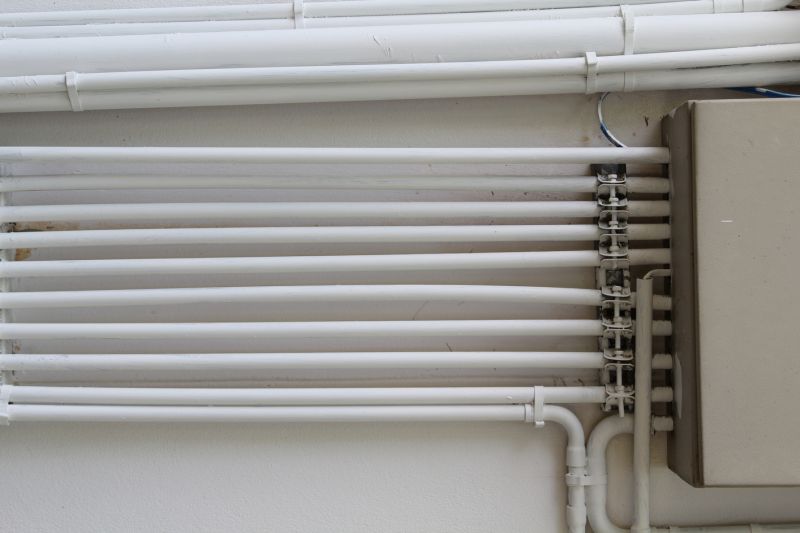
When comparing service providers for conduit installation, it’s important to evaluate their experience with similar projects. Homeowners should seek out local contractors who have a proven track record of handling conduit work comparable to the scope of their project. This experience can indicate familiarity with common challenges and best practices, helping to ensure the job is completed efficiently and correctly. Asking about past projects or requesting examples of completed work can provide insight into a contractor’s expertise and ability to meet specific needs.
Clear written expectations are essential when choosing a conduit installation professional. Homeowners should look for providers who offer detailed proposals or estimates that outline the scope of work, materials to be used, and any other relevant details. Having a well-defined plan helps prevent misunderstandings and ensures all parties are aligned on the project’s goals. Good communication from the outset can also be a sign of a reputable contractor who values transparency and clarity throughout the process.
Reputable references and strong communication are key factors in selecting a reliable local contractor. Homeowners are encouraged to ask for references from previous clients who had similar projects completed. Contacting these references can provide honest feedback about the contractor’s professionalism, quality of work, and reliability. Additionally, service providers who maintain open lines of communication and are responsive to questions or concerns demonstrate a commitment to customer satisfaction. While this site introduces homeowners to local options, it does not perform the work itself, emphasizing the importance of choosing a qualified and communicative professional for conduit installation needs.
Property owners use Conduit Installation services for practical projects around their homes and businesses. This guide focuses on everyday jobs and straightforward project options.
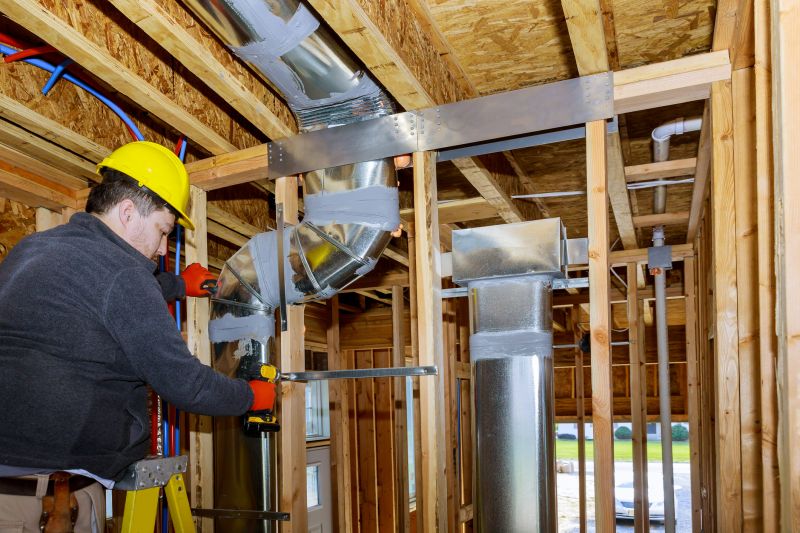
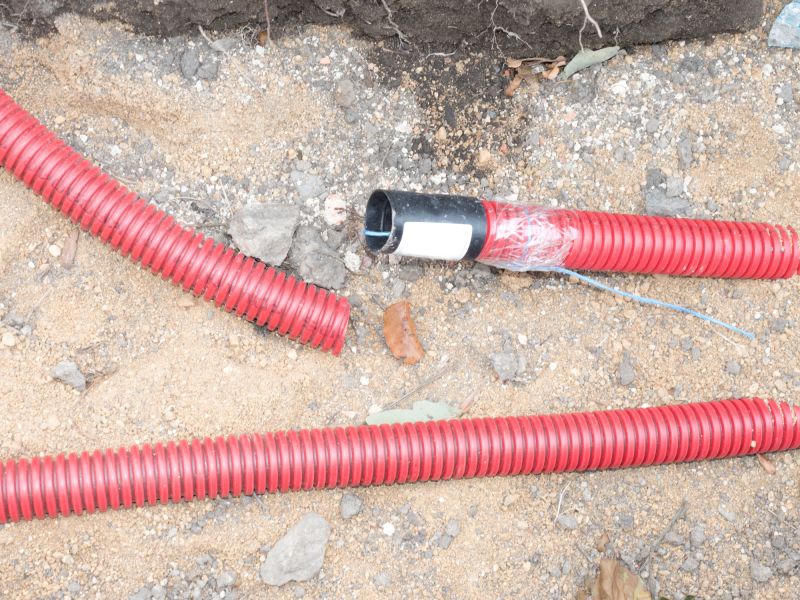
Conduit installation services are often needed when property owners are upgrading or repairing electrical systems, adding new appliances, or expanding their property. Local contractors can assist with installing or replacing conduits to ensure that wiring is safely and properly routed throughout a building. Whether it's a residential renovation or a new construction project, many property owners seek out experienced service providers to handle conduit work that meets their specific electrical needs.
Property owners in the area may also look for conduit installation when facing issues such as damaged or outdated wiring infrastructure, or when planning to improve the safety and efficiency of their electrical systems. Local professionals can provide the expertise needed to install conduits that support modern electrical demands, helping to prevent future problems and ensure compliance with building standards. Connecting with experienced service providers can make the process smoother and more reliable for those requiring conduit work.
What is conduit installation? Conduit installation involves setting up protective tubing to route electrical wiring safely through a building or property.
What types of conduit services are available? Local service providers offer various conduit installation options, including rigid metal, flexible, and PVC conduits, tailored to different project needs.
Who performs conduit installation work? Qualified local contractors or service providers handle conduit installation to ensure proper setup and compliance with building standards.
Can conduit installation be integrated with existing electrical systems? Yes, local pros can connect new conduit systems with existing electrical wiring to expand or upgrade electrical infrastructure.
What should be considered before installing conduit? Factors such as building layout, wiring requirements, and local regulations are important considerations that local contractors can assess.
Conduit Installation for New Construction - Property owners building a new home can have local contractors install conduit systems to support future electrical and communication needs.
Upgrading Existing Electrical Systems - Homeowners planning to expand or modernize their electrical setup can work with service providers to install conduit that simplifies wiring upgrades.
Installing Conduits for Outdoor Lighting - Property owners wanting to add outdoor lighting or security cameras can utilize conduit installation services to ensure safe and durable wiring runs.
Preparing for Future Technology Installations - Those planning to add smart home features or additional wiring can have conduit systems installed to facilitate easy and organized future upgrades.
If you are thinking about Conduit Installation for a property, this guide is meant to help you understand the work, the typical project types, and how different options might fit your plans.
When you are ready, you can use the quote form on this page to share a few details about your project. From there, local pros can review the basics and respond with options that match what you have in mind.